Blog ·
Seasonal Landscape Maintenance Guide
Spring: Renewal, Growth, and Preparation
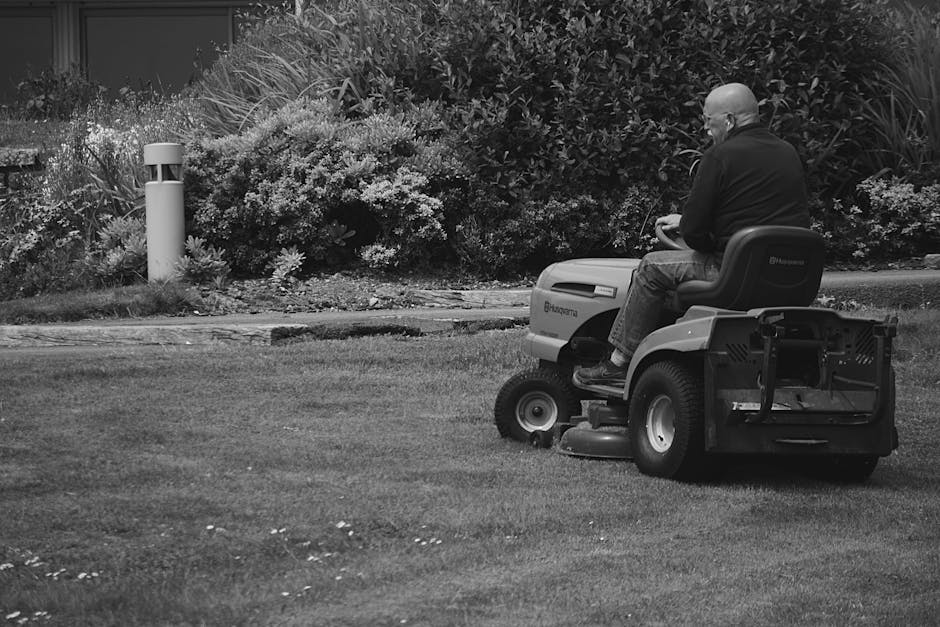
Spring brings rapid plant growth and is prime time for comprehensive landscape work. Remove accumulated winter debris, dead branches, and address any winter damage to plants and structures. Spring is the ideal season for deep soil preparation, fertilization, mulch application, and planting new material to take advantage of favorable growing conditions. Lawn care intensifies significantly as turf growth accelerates—frequent mowing, precise edging, and aeration ensure healthy, dense turf through the growing season. Early spring is also when you'll notice structural damage from winter weather, making it the natural time to address needed plant replacements, hardscape repairs, or other structural improvements before the heavy heat of summer arrives.
Summer: Intensive Care and Growth Management
Summer presents the most demanding and critical maintenance period due to intense heat and accelerated plant growth. Irrigation becomes absolutely critical to landscape health—inconsistent watering stresses plants, creates patchy growth patterns, and encourages aggressive weed establishment. Summer heat also dramatically accelerates disease and insect activity in plants. Regular monitoring and early problem identification helps catch issues while they're simpler and less expensive to manage. Mulch applications become increasingly important for maintaining consistent soil moisture and temperature regulation while naturally suppressing weeds. Strategic pruning during summer can manage excessive growth, maintain attractive plant shapes, and encourage denser branching, though optimal timing varies significantly by plant type and local conditions.
Fall: Transition and Dormancy Preparation
Fall maintenance focuses on systematically preparing landscapes for winter dormancy and seasonal transition. Leaf removal is essential and non-negotiable—accumulated leaves smother turf grasses, create disease-friendly moisture conditions, and impede proper plant function. Interestingly, fall is actually an ideal planting season because cooler temperatures stress plants far less than summer heat, and plants have adequate time to establish healthy root systems before winter dormancy. This is an excellent time for selective pruning, addressing overgrowth from the season, and adjusting irrigation schedules downward as temperatures cool and plant water demands naturally decrease.
Winter: Climate-Specific Care and Planning
Winter landscape maintenance varies significantly by region and climate. In cold climates, salt management becomes critical for protecting vulnerable plants and preserving soil quality. Snow removal must be handled carefully to avoid damaging dormant plants and hardscape features. In milder climates, winter might be quieter maintenance-wise, but it's excellent timing for dormant-season pruning and comprehensive planning for spring improvements. Regardless of your climate, winter provides an opportunity to inspect systems, assess the past year's performance, and plan strategic improvements for the coming seasons.
Consistent Year-Round Monitoring and Prevention
Regular, consistent inspection throughout all seasons prevents small problems from escalating into expensive repairs. Continuous monitoring of irrigation system performance prevents water waste and identifies coverage problems early. Checking for pest activity, disease symptoms, and nutrient deficiencies keeps your landscape healthy and attractive regardless of season. Preventative care always costs far less than emergency corrections.